

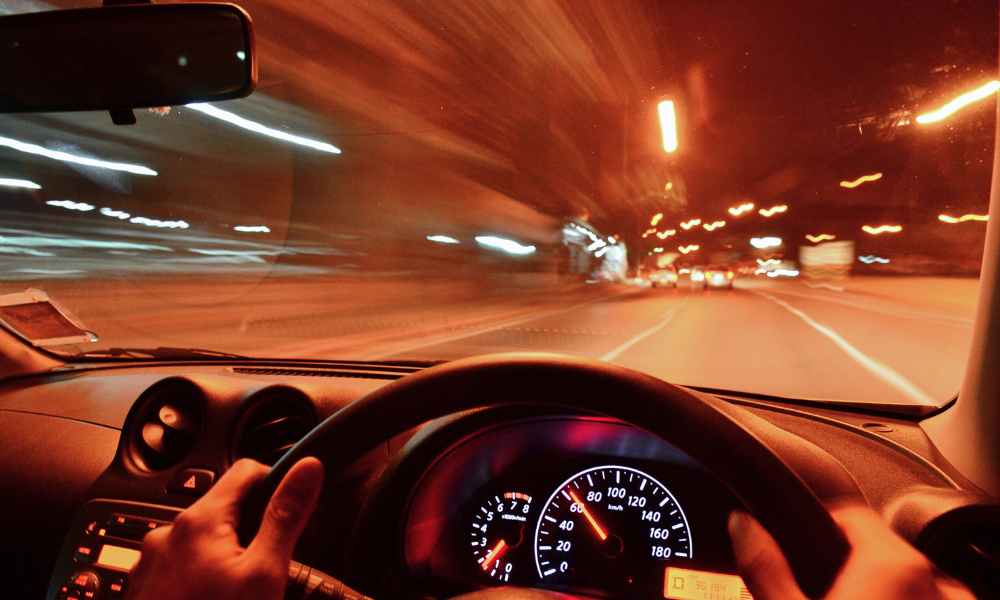
20 Nov Drive Safer: The Ultimate Guide to Prescription Driving Glasses
Driving is one of the most demanding tasks we ask of our vision. From navigating busy motorways to managing glare from wet roads or dazzling headlights, your eyes are constantly processing complex, rapidly changing information.
At Nicholson Eyecare, we believe that clear, comfortable vision is the most important safety feature your car has. This guide outlines how prescription driving glasses—and the right lens technology—can make your journeys safer and far less strenuous.
The Hazards of Compromised Vision
Many drivers don’t realise their vision is sub-optimal for driving until it’s too late. Driving with uncorrected or inadequately corrected vision increases reaction time and severely diminishes hazard perception, particularly in poor light.
Common Driving Vision Issues:
- Night Blindness (Nyctalopia): The inability to see well in low-light conditions, exacerbated by the dilation of pupils which introduces more peripheral light rays and visual distortion.
- Headlight Dazzle: Bright, oncoming lights causing starbursts or severe temporary blindness, a common complaint that increases with age.
- Peripheral Blind Spots: Reduced awareness of objects or vehicles outside your central line of sight.
- Poor Contrast: Difficulty distinguishing road markings, signs, or pedestrians against dark or busy backgrounds.
Essential Lens Technologies for Drivers
The lens material and coatings you choose are just as important as the prescription itself.
1. Anti-Reflection (AR) Coating: Non-Negotiable
This is the single most important addition for any driving spectacle lens.
- What it does: AR coatings virtually eliminate reflections from the front and back surfaces of your lenses.
- Why it matters for driving: When driving at night, this coating prevents the light sources (headlights, streetlights) from reflecting off the back surface of your lens and into your eye. This dramatically reduces glare and makes night driving much more comfortable and safer.
2. Polarised Lenses: The Glare Reducer
Polarised lenses contain a special filter that blocks intensely reflected light—glare—that comes off horizontal surfaces.
- What it does: Ideal for daytime driving, they cut the horizontal glare reflected from wet roads, car bonnets, and smooth surfaces like glass or water.
- Why it matters for driving: They improve contrast and clarity on sunny days, reducing eye strain and allowing you to see objects with sharper definition. Note: Polarised lenses may interfere with some digital dashboards or LCD screens.
3. Dedicated Night Driving Lenses
For those who struggle severely with headlight glare after dark, specialist lenses are available.
- These lenses often feature specific yellow/amber tints and advanced AR coatings designed to filter out the blue light component from modern LED and Xenon headlights, which contributes most to dazzle.
- They don’t magically “improve” your night vision, but they significantly reduce discomfort and strain caused by high-intensity light sources.
4. Transition/Photochromic Lenses: Use with Caution
Photochromic lenses darken in response to UV light, which sounds perfect for driving. However, most modern car windscreens contain UV filtering materials.
- The issue: Because the windscreen blocks the UV, the lenses may not darken sufficiently inside the car, leaving them ineffective as sunglasses.
- Our advice: While they are excellent for general use, we typically recommend a dedicated pair of sunglasses (polarised or tinted) for driving, especially if you spend a lot of time behind the wheel.
Don’t Forget the Frame
The frame you choose for driving glasses is functional, not just fashionable.
- Avoid Thick Sides: Frames with thick or deep sides can create unnecessary blind spots in your peripheral vision, especially when checking over your shoulder or using side mirrors.
- Lens Size: A slightly larger lens depth can be beneficial to ensure your field of vision remains clear when glancing downwards at your dashboard.
Your Eye Test is Your MOT for Vision
The best lens technology in the world is useless if your prescription is out of date. We recommend a comprehensive eye examination every two years (or more frequently if advised by your optician).
During your eye test at Nicholson Eyecare, please let us know that you are looking for driving glasses. We can then perform specific tests to assess your contrast sensitivity and glare resistance, ensuring your prescription is optimised for the challenging conditions on the road.
Visit Nicholson Eyecare in Chelmsford to explore our range of lens solutions designed specifically for safe and comfortable driving.

